
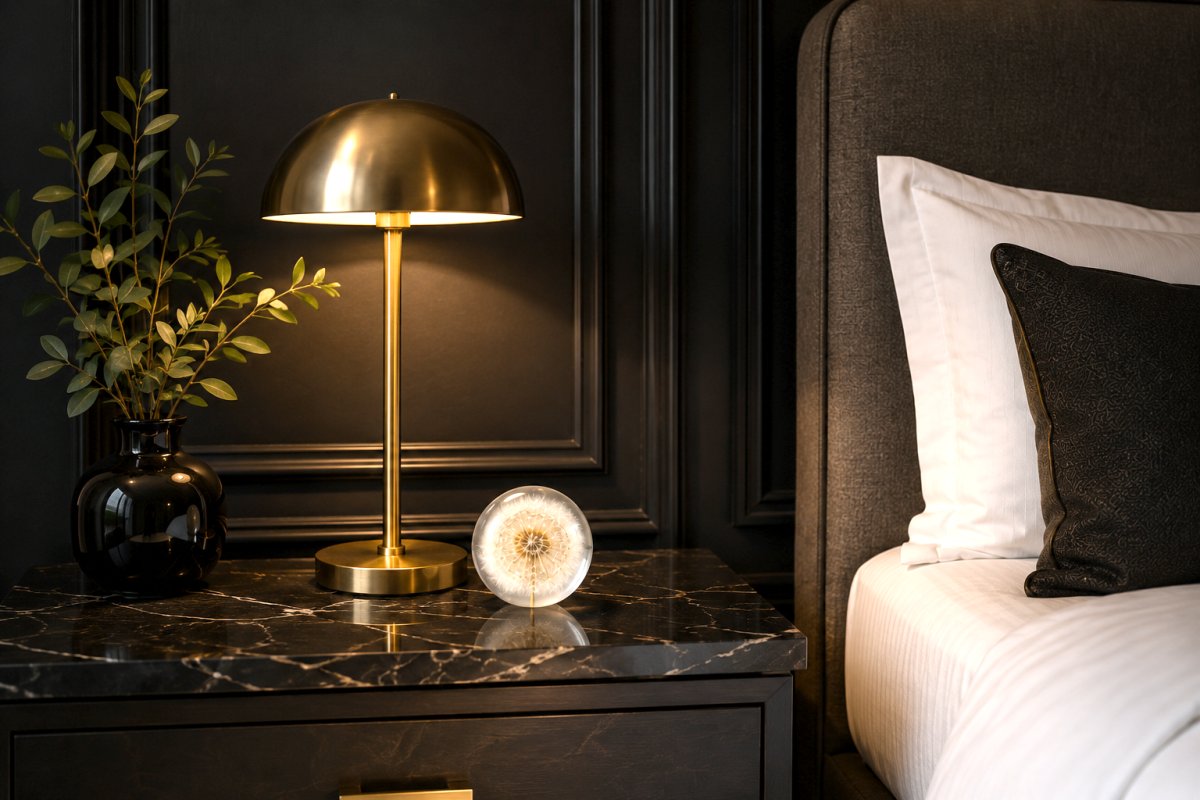
The Golden Hour: Why We Seek a Real Dandelion Held in Stillness
A memory of a meadow at dusk. The air is cool, the light is gold. A sea of seed heads catches the last of the sun, each one a silent promise waiting for a breath. This is the image we hold in our minds—a moment of perfect, fragile beauty. It is a moment that is meant to pass, to be scattered by the wind. And yet, there is a deep, quiet desire to hold it. To capture what is meant to blow away.
This is the heart of the botanical orb. It is not merely an object. It is a bridge between the ephemeral and the eternal. It is a vessel for a fleeting second, a fragment of a summer’s day given permanence. In a world of noise and haste, we seek stillness. We seek a connection to something real, something rooted in the patient rhythms of the earth. The "real" element of the dandelion within is essential for this emotional resonance. It is not a replica or an imitation; it is the flower itself, a genuine piece of the wild meadow brought into a quiet space. It is a memory you can hold in your hands. For more reflections on the quiet poetry of nature, we invite you to explore our journal.
The Poetry of the Passing Season
Consider the brief, beautiful lifecycle of the Taraxacum. It appears in the green flush of spring, a bright sun in the grass. It ages into a globe of delicate seeds, a moon in the day. Its existence is a whisper. A brief bloom, a briefer moment of perfect spherical geometry, and then—it is gone. Scattered. A thousand journeys beginning on a single breath.
There is an emotional weight to this cycle. We connect it to our own passing seasons, to the childhood act of making a wish and sending it into the world. The dandelion is the vessel of a summer wish, a hopeful thought given physical form. To see that form suspended in time, perfect and complete, creates a profound sense of peace. The urgency is gone. The fear of its breaking is gone. All that remains is the wish itself, held in a state of eternal stillness.
From Wildflower to Fine Botanical Art
How does a common wildflower, often overlooked, make the transition into a museum-quality nature object? The journey is one of reverence. It begins with seeing the extraordinary in the ordinary. It is an act of elevation, of taking what grows freely in the meadow and placing it in a context of contemplation and artistry. The dandelion seed head, in its perfect form, is a masterpiece of natural design. To preserve it is to honour that design.
The most important factor in this preservation is clarity. The medium that surrounds the dandelion must be as clear as air, as still as water. It must not distract or distort. Its purpose is to disappear, to create a window into a secret world where time has stopped. It allows every delicate filament, every parachute-like seed, to be seen in perfect detail. The botanical orb is a celebration of nature’s quiet artistry.
The Architecture of a Wish: Nature’s Quiet Artistry
To gaze into a botanical orb is to study the architecture of a wish. The intricate geometry of the dandelion seed head is a marvel. Hundreds of seeds, each with its own fine filament, radiate from a central point, forming a sphere of almost impossible delicacy. It is a structure built for flight, designed for dispersal, yet here it is, held in perfect, motionless symmetry.
Light interacts with these filaments in a way that is almost ethereal. It catches on the fine hairs, creating a soft, internal glow. The entire sphere seems to breathe with a gentle luminescence, a quiet energy held within its core. The miracle of the process lies in keeping these hundreds of seeds perfectly intact, undisturbed from their natural arrangement. It is a testament to a patient, gentle process. In this state, the "wish" becomes more than a fleeting thought. It becomes a tangible, physical form—a silent, beautiful object to be contemplated from every angle.
The Anatomy of Stillness
The radial symmetry of the seeds creates a powerful visual anchor. The eye is drawn to the centre and then outwards, following the lines of the filaments as they reach for the edge of their world. This natural pattern evokes a sense of harmony and balance. It is nature’s mandala, a focal point for meditation and calm reflection.
There is a beautiful contrast at play: the impossible softness of the seeds held within a solid, crystal-clear medium. The fragile is made strong. The ephemeral is made permanent. This juxtaposition is what gives the botanical sculpture its power. The orb format is crucial, allowing for a complete, 360-degree view of nature’s design. There is no front or back, no single correct orientation. As you turn it in your hands, new details are revealed, new patterns of light and shadow emerge. It is a world in miniature, complete and self-contained.
A Childhood Memory Made Tangible
For many, the image of a dandelion seed head is deeply connected to a core childhood memory: the simple, joyful act of making a wish and blowing. It is a memory of open fields, of long summer afternoons, of a time when magic felt real. A botanical sculpture brings that moment, that feeling, into the modern home. It is nostalgia made tangible.
The quiet presence of the orb on a shelf or a desk is a constant, gentle reminder of that connection to the natural world and to the simplicity of a childhood wish. It brings the peace of the meadow indoors, a piece of wildness and wonder for a curated space. In its hushed, sacred space, the seed head becomes a whispering seed—a silent keeper of stories, memories, and dreams held forever.
Beyond the Ephemeral: The Philosophy of Preservation
What is the difference between a fleeting second and a legacy of bloom? It is the difference between a memory that fades and one that is given a permanent home. We choose to honour nature not by letting it slip away, but by stopping time at a moment of its most exquisite beauty. This act of preservation is a philosophical one. It is a statement that some moments are worth holding onto, that some forms of beauty deserve to be contemplated beyond their natural lifespan.
This is the alchemy of stillness: turning the fragile into the permanent, the momentary into the eternal. It is a process that requires more than technical skill; it requires a deep respect for the specimen. For the botanical art collector, this preservation is a form of storytelling. Each piece is a narrative—the story of a single flower, a single day, a single perfect moment captured and curated for a lifetime of appreciation.
The Alchemy of Stillness
The preservation process is an act of devotion. It must honour the original specimen in every way, capturing its form and essence without compromise. This is where museum-quality standards become paramount. It is not enough to simply encase the flower. The process must ensure its longevity, its stability, and its absolute clarity for years to come. The medium must be free of imperfections, bubbles, or discolouration that could mar the view.
This pursuit of perfection results in a medium that is not a barrier, but a portal. The clarity of the botanical orb acts as a window into a secret world. It magnifies the delicate details that the naked eye might miss in the wild. It invites you to lean closer, to study the intricate design of a single seed, to lose yourself in the quiet complexity of a form you thought you knew.
Honouring Nature’s Design
In this work, the artisan is not a creator, but a mindful guide and curator. Their role is to select the perfect specimen at its peak and to gently, patiently guide it into its final, permanent state. It is a partnership with nature, a quiet collaboration to celebrate its design. This is why mass-produced alternatives, often made with artificial flowers or imperfect techniques, fail to capture the "soul" of the flower. They lack the story, the authenticity, and the unique character of a real, wild-picked specimen.
A true botanical sculpture is a singular work of art, as unique as the flower it holds. It is a piece that carries the energy of the meadow within it. For those who curate their surroundings with intention, the distinction is everything. To learn more about curating such pieces, explore our reflections on The Botanical Art Collector Piece: Curating Eternal Stillness.

Curating Stillness: Living with a Botanical Orb
A botanical orb is more than an object; it is a presence. To live with one is to invite a piece of nature’s quietude into your home. Its placement is an art in itself, a way of curating a moment of stillness in your daily life. Placed on a windowsill or a sunlit table, it becomes a lens, catching the natural light and casting miniature rainbows into the room. It transforms with the changing light of the day, from the bright clarity of morning to the warm glow of sunset.
On a serene workspace, it can serve as a zen focal point, a reminder to pause and breathe amidst the demands of the day. In a minimalist living room, it becomes a conversation piece, drawing the eye and inviting contemplation. The simplicity of its form pairs beautifully with other natural materials like wood, stone, or linen, creating an environment that feels grounded, calm, and connected to the earth.
A Dialogue Between Nature and Space
Using a botanical orb in your home is a way to bring the outside in, regardless of the season. It is a fragment of summer that persists through the starkness of winter, a promise of renewal held in perfect stasis. The effect of light refracting through the crystal-clear sphere is captivating. It bends and magnifies the world around it, creating a dynamic interplay between the object and its environment. It does not just occupy a space; it enters into a dialogue with it.
This dialogue is a quiet one, a gentle exchange between the wildness of nature and the order of a curated interior. It is a way of acknowledging that our homes can be sanctuaries, not just from the outside world, but for it. To understand more about this relationship, you might appreciate our article, The Botanical Interior Accent: A Dialogue Between Nature and Space.
The Art of Mindful Placement
Where does a collector's piece add the most value to a home? The ideal placement is one that honours its purpose as an object of contemplation. The centre of a quiet room, on a mantelpiece or a console table, allows it to be appreciated from all sides. A quiet corner, perhaps in a reading nook or a meditation space, can become its sanctuary, a destination for moments of reflection.
The psychological benefits of having a "natural wonder" within sight are profound. It is a connection to the patterns and rhythms of the natural world, which have been shown to reduce stress and improve focus. It is a small, daily reminder of the beauty that exists in the world, a touchstone for mindfulness.
- The Collector’s Shelf: Placed amongst treasured books and other art objects, it holds its own as a unique sculpture, its organic form a beautiful contrast to the lines of the shelf.
- The Minimalist Desk: On a clean, uncluttered workspace, it provides a single point of focus, a small world to get lost in during a thoughtful pause, enhancing creativity and calm.
- The Entrance Hall Table: As the first object one sees upon entering the home, it sets a tone of peace, elegance, and a deep appreciation for nature’s artistry.
The Taraxacum Orbis: Your Moment Suspended in Time
We call this object the Taraxacum Orbis. It is more than a preserved dandelion; it is a fragment of summer, a piece of a golden hour, a wish held in the amber of a moment. Each piece is a testament to the artisan’s touch, a celebration of the fact that no two flowers are ever the same. Each is a unique natural wonder, with its own character, its own subtle variations in form and spirit.
To give a Taraxacum Orbis is to offer something truly meaningful. It is a gift of stillness, of memory, of a beautiful thought made permanent. It is the poetry of giving, expressed not in words, but in a perfect, silent form. We invite you to explore this alchemy of stillness, to find the piece that holds a memory for you, and to begin a collection of moments suspended in time.
A Fragment of Summer, Held Forever
The Dandelion Sphere is a timeless decorative object, transcending trends and seasons. Its beauty is elemental, rooted in the universal appeal of a perfect natural form. This makes it the ultimate gift for someone who loves nature, who appreciates art, and who finds beauty in the quiet, overlooked details of the world.
It is a gift that speaks of thoughtfulness, of a desire to give something with lasting emotional resonance. Our closing thought is this: there is a unique and profound beauty in impermanence made permanent. It is a way of holding onto the fleeting moments that make life beautiful, not to stop them from passing, but to honour them forever.
Begin Your Collection
How do you select your first botanical sculpture? Let intuition be your guide. Choose the piece that speaks to you, the one whose form seems to hold a story or a feeling that resonates with your own. Consider the light in your home, the space it will inhabit, and the sentiment you wish to bring into that space.
Fine botanical art has an enduring value that deepens over time. It is not a disposable object, but a legacy piece, a small heirloom to be cherished for years to come. It is an investment in beauty, in stillness, and in the quiet artistry of the natural world.
Explore the full collection of Dandelion Spheres and botanical orbs.
Frequently Asked Questions
Is the dandelion held within the botanical orb a real flower?
Yes, absolutely. Each botanical orb contains a genuine, wild-picked Taraxacum seed head, carefully selected at its peak moment of beauty and preserved in its natural, perfect form.
How do the seeds stay perfectly in place inside the botanical orb?
Through a meticulous and patient process, the delicate seed head is stabilised and protected before being permanently suspended in the crystal-clear medium. This method ensures that every one of the hundreds of tiny seeds remains perfectly in its original position.
Will the colour of the dandelion fade over time?
Our museum-quality preservation process is designed to protect the specimen from the elements that cause fading. The medium contains advanced UV stabilisers to ensure the natural, creamy-white colour of the seeds is protected for a lifetime.
How should I clean and care for my botanical sculpture?
Caring for your botanical sculpture is simple. To clean, use a soft, microfibre cloth to gently wipe away any dust. Avoid using chemical cleaners or abrasive materials. It is best to display the piece out of prolonged, direct sunlight to ensure its lasting clarity.
Can a botanical orb be given as a memorial gift?
Yes, it is often chosen as a deeply meaningful memorial gift. The dandelion, with its symbolism of wishes, hope, and the soul’s journey, offers a poignant and beautiful way to honour a memory. It represents a fleeting life made permanent and beautiful.
What is the best way to display a botanical orb to show its detail?
Displaying your orb where it can interact with a light source is ideal. A spot near a window (but out of direct sun) or under a soft spotlight will illuminate the delicate filaments of the seeds, revealing the intricate beauty and detail within.
Is each botanical art object unique?
Yes, every single piece is entirely unique. Because we use real dandelions, each with its own subtle variations in size, shape, and form, no two botanical orbs are ever identical. Each is a one-of-a-kind work of nature’s art.
What makes a museum-quality nature object different from a standard one?
The distinction lies in the quality of both the specimen and the preservation. A museum-quality piece uses a flawless, hand-selected botanical specimen and a professional-grade medium that offers perfect clarity, UV resistance, and long-term stability, ensuring the object is not just a momentary curiosity but a lasting piece of fine art.
Disclaimer
The content on this website is provided for inspiration and informational purposes only. Articles reflect the philosophy and storytelling of Dandelion Sphere and are not intended as professional advice. While every effort is made to ensure accuracy, no guarantees are given regarding completeness or current applicability.


